by Lisa Mullinax, CPDT-KSA
When our dogs exhibit aggressive behaviors, it is always upsetting. After all, we give our dogs food, shelter, a never-ending supply of dog toys and this is how they repay us?What is aggression?Aggression is normal and natural behavior in dogs and every other species of animal. Are we surprised when a cat hisses and scratches a child that is pestering it? What about a horse that kicks when surprised? Or a tiger that mauls someone who enters its zoo enclosure? Do we question the sanity of a homeowner that shoots an armed intruder? In all other respects, we accept aggressive behavior in other species. And yet, aggression in dogs is not only considered unacceptable, but is often a death sentence for the dog.Aggression is really a category of behaviors, all of which are designed to protect dogs from a perceived threat. These behaviors include:
Why is my dog doing this to me?Aggressive behavior in dogs is most frequently caused by fear and stress due to various factors including, but not limited to:
Some types of aggression may be neurological. There was a popular internet video of a dog protecting his bone from his own foot. This is a very good example of a behavior problem that has medical or neurological causes. These types of behaviors require the assistance of a veterinary behaviorist, as training is not enough. What are NOT causes of aggression:
TriggersThere is no such thing as an "aggressive dog," as no dog walks around exhibiting aggressive behaviors 24 hours per day. Aggression is always a response to something in the dog's environment, whether it is the action of a human, the sudden appearance of another dog, pain caused by injury or illness, and more. This is called an antecedent, which means a preceding occurrence, cause or event.Every trigger is followed by a behavior. For example, an owner gives their dog the cue "Sit," the dog sits and the owner gives the dog a treat. The cue "Sit" is the antecedent, the action of sitting is the behavior and the treat is the consequence. All dog behaviors, including aggression, follow the ABC's: Antecedent > Behavior > Consequence The antecedent is also referred to as a trigger. In most cases of aggression, the triggers follow a pattern. Sometimes the pattern is easy to see, such as when a person reaches toward your dog. Other times, it can be more difficult, as there could be multiple triggers, or the triggers are not visual, but something the dog hears or smells. In order to determine what is causing your dog's aggressive behavior, it is necessary to gather a detailed history of each incident which can help establish a pattern of triggers. A professional trainer can work with you to determine the patterns with your dog's behavior. Once these triggers are identified, a training/behavior plan can be devised. Isn't it all about dominance and pack leadership?There's no shortage of websites claiming that "dominance is the leading cause of aggression." But is that really the case? The subject of dominance is worthy of it's own article and we recommend Dominance: The "Dirty" Word for a complete definition and explanation of what it is and what it is not.Bottom line: The vast majority of aggression is based in fear, not our dogs' desire for total world domination...in which case they would still be reliant on our opposable thumbs and bank accounts for their basic survival.
Aggression and Breed
No matter what the headlines say, no matter what one person's individual experience has been, breed is never a predictor of aggression. Golden Retrievers are just as capable of aggression towards humans or other dogs as Pit Bull-type breeds are capable of working as therapy dogs and search and rescue dogs.While some breeds, including Mastiffs, Dobermans, Akitas and others, were selected for their excellent guarding abilities, this does not necessarily mean that each individual of that breed will make a good guard dog. Just as not all Border Collies are good at herding sheep, there are many guarding breeds who enjoy the attention of strangers and make horrible watch dogs. Breed, alone, is not enough to determine whether or not a dog will develop or display aggressive behavior. It is the individual dog, their history, and the behaviors they present, not the breed, that must be considered. Predicting aggressionExcept in very rare cases, aggression is not random. This is why a dog that shows aggression toward strange dogs is not likely to act aggressively towards family members. A dog that displays aggression towards strange people may be perfectly friendly when meeting new dogs. So why does it seem to occur without warning?Dogs give numerous subtle signals of anxiety or discomfort that aren't recognized by most dog owners. When these signs of stress are ignored, the dog may escalate to a signal that is more obvious, such as growling, snarling or snapping. Common signs of stress/anxiety include:
A professional trainer will teach you how to read your dog's body language, so you will be able to recognize when your dog is anxious. Dogs don't bite when a growl will doDogs make choices in the form and level of aggression they use to communicate with us or with other dogs. If a minor form of communication, such as a small growl, is enough to achieve the goal of stopping a person from taking a bone or another dog from mounting, the dog has no need to escalate to a higher level of aggression.Even when biting, dogs make decisions as to the location and severity of the bite. The vast majority of bites inflicted by dogs never cause injury. These are still bites, by definition, but the dog has chosen to use a warning without injuring the offending person or dog. Because dogs are so much faster and more accurate than we are, these non-injurious bites are not because the human moved quickly enough to avoid the bite, but that the dog chose not to cause damage. For information about the levels of dog bites see Dr. Ian Dunbar's Dog Bite Scale, which many trainers use as a guideline. How do you stop aggression?Aggression is not an illness or something that can be removed, it is an instinctive reaction to a perceived threat. Just as no one can train you not to defend your family if they are threatened by an intruder, you can not train out a dog's instinct to protect itself.What training and behavior modification CAN do is decrease your dog's stress around the situations that used to trigger aggressive responses, teach your dog an alternate behavior she can perform in those situations (such as look at you instead of bark at strangers), and even form positive associations to the situations that were previously a problem. The level of positive association will depend on many different factors. In the case of dog-dog aggression, some dogs may eventually be able to play with new dogs after a careful introduction. For others, they may only learn to tolerate dogs at a distance (such as walks), but never learn to like other dogs. In order for a behavior modification plan to be successful, a careful management strategy must be implemented. This strategy will be customized to each dog and household and will be designed to prevent aggressive behavior from recurring while you are going through the training process. Punishment is not the answer Many owners and even some people advertising as trainers believe that the best way to address aggression is to provoke the dog into reacting, then applying some form of punishment to teach the dog that aggression is "wrong." Many owners and even some people advertising as trainers believe that the best way to address aggression is to provoke the dog into reacting, then applying some form of punishment to teach the dog that aggression is "wrong."However, when a dog is pushed to the point that it reacts aggressively, the sympathetic nervous system is activated. Most people know this as the "fight or flight" response. When the sympathetic nervous system is engaged, the parasympathetic nervous system, which regulates all other functions, disengages, shutting down digestion and other non-essential functions, inhibiting the dog's ability to learn. When the dog is pushed to the point of extreme stress, he or she is in survival mode and no longer learning. This is why when we experience acute stress, such as fear (bear circling your tent), anxiety (a letter from the IRS) or trauma (grief), food doesn't seem remotely appealing and it is difficult to concentrate. This is why there is still a belief that "food doesn't work with aggressive dogs" among those who don't understand how stress affects learning. Traumatic events, however, DO get remembered in this state. If the dog sees another dog, barks and then is jerked, kicked or shocked, the dog is not going to learn what he is doing is "wrong," but will very likely associate the aversive methods with the presence of other dogs, creating a more negative association than before. Aversive methods often appear to work because they can suppress aggressive displays. However, this is just hiding the symptoms without addressing the underlying cause of the aggressive behavior. While a squirt bottle or can full of pennies may stop your dog from barking at the window in the moment, it will not change the dog's association to dogs walking past his house. This is like cold medicine. Cold medicine can clear the sneezing, runny nose and other symptoms as long as you keep taking the medicine, but it doesn't cure the common cold. In order to change the dog's behavior permanently, we have to change the dog's association to that situation through desensitization and counter-conditioning. How long will it take?The amount of time it will take and the level of success you can achieve depends on a variety of factors outside the trainer's control. First and foremost is your commitment, including how consistently you follow the trainer's instructions and how often you practice the new exercises assigned. Implementing exercises and suggestions from several different sources (tv shows, friends, neighbors, etc.) can undermine the success of your dog's behavior program.Factors such as early experiences and genetics also play a critical role in the amount of time and effort it will take to reach your goals. A dog that was not adequately socialized in the first few months' of its life will require more time and work than a dog that was well-socialized as a puppy. A dog that was fearful at 8 weeks of age will require more work than a dog that was confident at that age. In some cases, changing your dog's behavior and preventing further incidents of aggression may be relatively simple and quick. In other cases, it may be a lifelong process. When working with aggression, we have to work within the timeframe our dogs give us or risk setting up the dog to fail. Factors for successUnfortunately, not every dog and owner will be successful with their behavior modification program. After medical and other factors that training can't affect, dissatisfaction with results of a behavior modification program is most often due owners who fail to meet the following requirements:1. Must be committed to multiple lessons with a trainer. There is no quick fix for aggressive behavior. Because many dogs exhibiting aggression have little to no formal training, several sessions may first be needed to teach necessary skills before the dog is prepared to encounter dogs or people. If a dog can't walk on a leash when in a quiet area, how can he be expected to do so in times of high stress?Because dog training is an unregulated industry, any dog trainer can offer "guaranteed results" at any price. However, no trainer has control over the factors above, nor do they have the ability to alter a dog's genetics, medical condition(s), or past experiences, making such guarantees worthless in the end. Any behavior can be improvedNo matter how serious the aggressive behavior, improvements can always be made through both management and behavior modification. Thanks to an ever-expanding field of study into the behavior of domestic dogs, we have gained the ability to adapt to each dog's individual needs, rather than use punishment as a blanket solution for every dog.Just by reading this article, you are already one step closer to changing your dog's behavior than you were yesterday. It can only get better from here! RELATED LINKS7 Mistakes You're Making in Behavior ModificationStress Signs in Dogs On-Leash Frustration/Aggression Defining Aggression What Does An Aggressive Dog Look Like? |
| (1) Herron M, Shofer F, Reisner I. 2009. Survey of the use and outcome of confrontational and non-confrontational training methods in client-owned dogs showing undesired behaviors. Appl Anim. Behav. Sci, 117 47-54 (2) Voith, V.L., Wright, l.C. and Danneman, P.l., 1992. Is there a relationship between canine behavior problems and spoiling activities, anthropomorphism, and obedience training? Appl. Anim. Behav.Sci., 34: 263-272. http://4pawsu.com/understandingaggression.html |
Sunday, 12 July 2015
Understanding Canine Aggression


Friday, 10 July 2015
Breeds with the greatest percentage of dogs exhibiting serious aggression (bites or bite attempts) toward humans included
Breed differences in canine aggression
Deborah L. Duffy a , Yuying Hsu b , James A. Serpell a, * aCenter for the Interaction of Animals and Society, Department of Clinical Studies, School of Veterinary Medicine, University of Pennsylvania, 3900 Delancey Street, Philadelphia, PA 19104-6010, USA b Department of Life Sciences, National Taiwan Normal University, Taipei 116, Taiwan Accepted 18 April 2008
Abstract Canine aggression poses serious public health and animal welfare concerns.
Most of what is understood about breed differences in aggression comes from reports based on bite statistics, behavior clinic caseloads, and experts’ opinions. Information on breed-specific aggressiveness derived from such sources may be misleading due to biases attributable to a disproportionate risk of injury associated with larger and/or more physically powerful breeds and the existence of breed stereotypes.
The present study surveyed the owners of more than 30 breeds of dogs using the Canine Behavioral Assessment and Research Questionnaire (CBARQ), a validated and reliable instrument for assessing dogs’ typical and recent responses to a variety of common stimuli and situations.
Two independent data samples (a random sample of breed club members and an online sample) yielded significant differences among breeds in aggression directed toward strangers, owners and dogs (Kruskal–Wallis tests, P < 0.0001). Eight breeds common to both datasets (Dachshund, English Springer Spaniel, Golden Retriever, Labrador Retriever, Poodle, Rottweiler, Shetland Sheepdog and Siberian Husky) ranked similarly, rs = 0.723, P < 0.05; rs = 0.929, P < 0.001; rs = 0.592, P = 0.123, for aggression directed toward strangers, dogs and owners, respectively.
Some breeds scored higher than average for aggression directed toward both humans and dogs (e.g., Chihuahuas and Dachshunds) while other breeds scored high only for specific targets (e.g., dog-directed aggression among Akitas and Pit Bull Terriers).
In general, aggression was most severe when directed toward other dogs followed by unfamiliar people and household members.
Breeds with the greatest percentage of dogs exhibiting serious aggression (bites or bite attempts) toward humans included Dachshunds, Chihuahuas and Jack Russell Terriers (toward strangers and owners); Australian Cattle Dogs (toward strangers); and American Cocker Spaniels and Beagles (toward owners).
More than 20% of Akitas, Jack Russell Terriers and Pit Bull Terriers were reported as displaying serious aggression toward unfamiliar dogs. Golden Retrievers, Labradors Retrievers, Bernese Mountain Dogs, Brittany Spaniels, Greyhounds and Whippets were the least aggressive toward both humans and dogs.
Among English Springer Spaniels, www.elsevier.com/locate/applanim Available online at www.sciencedirect.com Applied Animal Behaviour Science xxx (2008) xxx–xxx * Corresponding author. Tel.: +1 215 898 1004; fax: +1 215 746 2090.
E-mail address: serpell@vet.upenn.edu (J.A. Serpell). 0168-1591/$ – see front matter # 2008 Elsevier B.V. All rights reserved. doi:10.1016/j.applanim.2008.04.006 Please cite this article in press as: Duffy, D.L., et al., Breed differences in canine aggression, Appl. Anim. Behav. Sci. (2008), doi:10.1016/j.applanim.2008.04.006
http://140.122.143.143/yuyinghs/yuyinghsu/papers/DuffyHsuSerpell2008.pdf
Deborah L. Duffy a , Yuying Hsu b , James A. Serpell a, * aCenter for the Interaction of Animals and Society, Department of Clinical Studies, School of Veterinary Medicine, University of Pennsylvania, 3900 Delancey Street, Philadelphia, PA 19104-6010, USA b Department of Life Sciences, National Taiwan Normal University, Taipei 116, Taiwan Accepted 18 April 2008
Abstract Canine aggression poses serious public health and animal welfare concerns.
Most of what is understood about breed differences in aggression comes from reports based on bite statistics, behavior clinic caseloads, and experts’ opinions. Information on breed-specific aggressiveness derived from such sources may be misleading due to biases attributable to a disproportionate risk of injury associated with larger and/or more physically powerful breeds and the existence of breed stereotypes.
The present study surveyed the owners of more than 30 breeds of dogs using the Canine Behavioral Assessment and Research Questionnaire (CBARQ), a validated and reliable instrument for assessing dogs’ typical and recent responses to a variety of common stimuli and situations.
Two independent data samples (a random sample of breed club members and an online sample) yielded significant differences among breeds in aggression directed toward strangers, owners and dogs (Kruskal–Wallis tests, P < 0.0001). Eight breeds common to both datasets (Dachshund, English Springer Spaniel, Golden Retriever, Labrador Retriever, Poodle, Rottweiler, Shetland Sheepdog and Siberian Husky) ranked similarly, rs = 0.723, P < 0.05; rs = 0.929, P < 0.001; rs = 0.592, P = 0.123, for aggression directed toward strangers, dogs and owners, respectively.
Some breeds scored higher than average for aggression directed toward both humans and dogs (e.g., Chihuahuas and Dachshunds) while other breeds scored high only for specific targets (e.g., dog-directed aggression among Akitas and Pit Bull Terriers).
In general, aggression was most severe when directed toward other dogs followed by unfamiliar people and household members.
Breeds with the greatest percentage of dogs exhibiting serious aggression (bites or bite attempts) toward humans included Dachshunds, Chihuahuas and Jack Russell Terriers (toward strangers and owners); Australian Cattle Dogs (toward strangers); and American Cocker Spaniels and Beagles (toward owners).
More than 20% of Akitas, Jack Russell Terriers and Pit Bull Terriers were reported as displaying serious aggression toward unfamiliar dogs. Golden Retrievers, Labradors Retrievers, Bernese Mountain Dogs, Brittany Spaniels, Greyhounds and Whippets were the least aggressive toward both humans and dogs.
Among English Springer Spaniels, www.elsevier.com/locate/applanim Available online at www.sciencedirect.com Applied Animal Behaviour Science xxx (2008) xxx–xxx * Corresponding author. Tel.: +1 215 898 1004; fax: +1 215 746 2090.
E-mail address: serpell@vet.upenn.edu (J.A. Serpell). 0168-1591/$ – see front matter # 2008 Elsevier B.V. All rights reserved. doi:10.1016/j.applanim.2008.04.006 Please cite this article in press as: Duffy, D.L., et al., Breed differences in canine aggression, Appl. Anim. Behav. Sci. (2008), doi:10.1016/j.applanim.2008.04.006
http://140.122.143.143/yuyinghs/yuyinghsu/papers/DuffyHsuSerpell2008.pdf
Sunday, 28 June 2015
Here are the findings from a decade of deaths in Australia at the hands, or paws, or jaws, or hooves, or whatever from the animals that have claimed human lives here in Australia during the last decade.
Animal related deaths in Australia:
During the 10 year period in question there were 254 deaths in Australia identified as animal related. Let’s see who is responsible, starting with the biggest culprits:
- Horse, pony or donkey – 77 deaths
- Cow, bull or bovine – 33 deaths
- Dog – 27 deaths
- Kangaroo – 18 deaths
- Bee – 16 deaths
- Shark – 16 deaths
- Snake – 14 deaths
- Crocodile – 9 deaths
- Ostrich or emu – 5 deaths
- Others, including fish, sheep, goats, camels, cats and jellyfish – 39 deaths
The actual cause of these fatalities varies with top of the list being falling off a horse, pony or donkey, followed by being crushed or trampled by one. These creatures along with cows, bulls, kangaroos, ostriches, emus and bovine animals were also responsible for a good number of motor vehicle accident fatalities between them, over 50 in all.
Deaths caused by dogs were mainly by bite, although three people died due to motor vehicle accidents caused by dogs and nine people simply fell over a dog. One person during the decade fell over a cat and died, as was mentioned in the video.
Death by bee was always as a result of anaphylactic shock.
I don’t think you need me to tell you how sharks, snakes and crocodiles claimed their human lives, but here’s a clue. None of them involved motor vehicle accidents.
AUSTRALIAN DOG BITES CAUSING DEATH 1995 - 2011
It is believed that approximately 28 dogs were involved in 11 deaths between 1995 and 2011 in Australia. One dog caused 6 fatalities (55%), Two dogs caused 2 fatalities (18%), Three to four dogs caused 2 fatalities (18%) and 11 dogs caused 1 fatality (9%). Ref 3
The four most popular Registered Pure-bred dogs according to the Australian National Kennel Council) were: Labrador Retriever (8.3%), German Shepherd (6.3%), Staffordshire Bull Terrier (5.9%) and Golden Retriever (4.8%) in eighth place is the Rottweilers (2.4%).
Breeds involved in human deaths were: Rottweiler (4), Siberian Husky (1), Cattle Dog (1), Rottweiler X German Shepherd (1), Dingo X Labrador (1), Pit Bull X Mastiff (1), Great Dane X Mastiff (1), Great Dane X Bull Terrier (1), Medium size mixed breed (3), Large mixed breed (3) and Giant Mixed Breed (11) including Greyhounds, Mastiffs and Irish Wolfhounds.
Australia has an estimated dog population of 3,400,000 and an average of 1.1 fatalities per year (33 over the last 30 years), equating to one death per 3,090,909 dogs.
The following table shows the breeds responsible for these deaths.
Australian Dog Breeds Causing Death. YR 1995 - 2011
Breed
|
Deaths
|
Rottweiller
|
4
|
Husky
|
1
|
Cattle dog
|
1
|
Rottweiller GSD X
|
1
|
Dingo X lab
|
1
|
Pit bull X mastiff
|
1
|
Great dane x Mastiff
|
1
|
Gread dane x Bull terrier
|
1
|
Medium sized mixed breed
|
3
|
Large mixed breed
|
3
|
Giant mixed breed (11)
|
11
|
total
|
28
|
From such relatively low numbers of deaths caused by dogs in Australia you might wonder why breed specific legislation (BSL) is being proposed.
Because the American Pit Bull Terrier (APBT) is not recognised as an official breed in Australia it isn't included in the statistics. It is believed that there are nearly 70,000 Pure-bred, registered “Pit Bull Types” (Staffordshire Bull Terrier, American Staffordshire Bull Terrier & Bull Terrier) currently in Australia. Add to this number the unregistered 'pit bulls' and cross breeds and the numbers could be much higher.
It is believed that the American Staffordshire bull terrier (9,000 pure bred and 34,000 mixed breeds) is replacing the banned pit bull breeds such as the APBT.
The relatively low rate of one fatality per year in Australia makes extrapolation of these statistics useless.
Australian DBRF'S--RSPCA Victorian chief executive Maria Mercurio says the policy has changed since 2009 as there is a lack of research showing pit bulls or any other breed is more prone to attack. "The statistics just aren't there," she says. "Most breeds of dogs can be aggressive and be violent if they are trained and kept that way. We have matured, and our opinion and our policy has evolved."
AUSTRALIAN DBRF'S....
INFANTS and young children remain most vulnerable to dog attack, with two children killed in NSW in the past five years, one in Western Australia, and another little girl in Victoria.
Two-week-old Kate Morey didn't stand a chance when her family's pet Siberian husky attacked her in her cot in Perth in 2007.
A nine-week-old girl from Pakenham on Melbourne's southeastern fringe also died after being dragged from her cot by the family rottweiler in the same year.
In NSW, three-year-old Ruby-Lea Burke died after being savaged by four bull mastiff crosses in the home of her babysitter at Whitton in 2009.
And in 2006, four-year-old Tyra Kuehne wandered into a neighbour's backyard and was killed by up to six dogs in Warren, 540km northwest of Sydney.
The dogs were various crossbreeds of boxer, greyhound, pit bull and mastiff, and had been trained for pig-hunting.
http://www.theaustralian.com.au/news/features/dog-fight-brews-over-tough-laws/story-e6frg6z6-1226131681378
http://www.theaustralian.com.au/news/features/dog-fight-brews-over-tough-laws/story-e6frg6z6-1226131681378
Saturday, 20 June 2015
"PITBULLS" are just DOGS after all?
Researchers from the American Academy of Family Physicians report that more than 4 million people are bitten by dogs each year. Of these, approximately 800,000 (or about 45 percent) are under the age of 14. Dozens die as a result of these injuries.
Nearly 35 million American households own canines, many more than one, meaning there are more than 55 million dogs in the country. Most of them are never going to be a threat. However, just about any dog has the potential to hurt someone if the circumstances are just right. About half of all reported dog bite cases involve a pet that is owned by either the family of the victim or neighbors.
Often, these involve an animal that is not provoked. Sadly, a large number of deaths involving babies and dogs occur when the baby is simply sleeping.
Even if a bite isn't fatal or cause severe injury, there is a possibility you could be at great risk for an infection. About 20 percent of people bitten suffer some degree of infection. People with the following conditions are at particular risk:
- Chronic edema (or insufficient blood flow) to the arms or legs;
- Diabetes;
- Immune deficiencies;
- Liver disease;
- Mastectomy;
- Those with prosthetic joints or valves;
- Lupus.
While any dog has the potential to inflict harm, some breeds are known to have a history of greater aggression than others. These include: Cocker Spaniel, Chow Chow, German Shepherd, Grate Dane, Pit Bull, Rottweiler, Siberian Husky, Doberman Pinscher, Collie, Bull Terrier.
By contrast, the least aggressive dogs - those considered to be "family dogs," are: Boxer, Golden Retriever, Dalmatian, Irish Setter, English Setter, Labrador Retriever, English Springer, Spaniel.
Of course, there are Gold Retrievers that have been known to bite, and Rottweilers that are gentle to a fault. It depends on a myriad of factors, but the point is, every dog should be approached as if it has the potential to inflict injury to either you or your child.
CAUSES OF DOG AGGRESSION
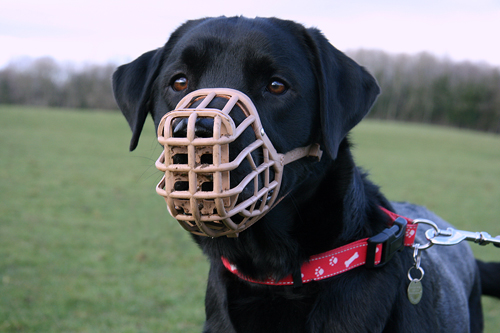
Your neighbour may blame you for your dog’s aggressive behavior, but even people who understand dogs and raise them kindly can have a dog who behaves aggressively. Other people may be the ultimate “alpha” and yet end up with an aggressive dog. And some dogs who were abused never become aggressive. Some dogs will even behave more or less normally until the dog matures socially around 2 or 3 years of age. So what are the causes of dog aggression?
What we do to make dog aggression worse
Much of the time people simply have not be taught how to treat dogs (for example, many dogs do not like being hugged) or how to recognize the early warning signs, such as staring, stiffening, licking of the lips when the dog is not hungry, or yawning when the dog is not tired. When the signs are not recognized the aggression appears sudden when in fact, the dog is not suddenly aggressive at all. They have been giving us warning signs and we have been missing them.
The issue: Most canine behavioral problems either involve normal behaviors that people don’t like or understand or anxiety-related concerns that comprise true behavioral diagnoses. – Dr. Karen Overall, Dumbed down by dominance, 2012
In many cases the dog has an underlying condition – often one of anxiety – that can attract the kind of responses from humans that make the situation worse. Either we become frustrated or we take on bad advice such as intimidating the dog as a way to try to deal with it. Unfortunately outdated methods that have been popularized by the media can make dogs who are predisposed to aggression worse (see the world’s worse dog aggression advice). Your dog’s behaviour may attract negative responses from other dogs as well, as other dog may sense your dog is not behaving normally and become concerned. When we react with leash corrections we can cause this conflict to grow.
We don’t always meet the needs of dogs and this can cause problems. Dogs need stimulation, exercise, social experiences, proper diet, a certain amount of freedom in many conditions. A dog that is left along for long periods of time, is left outside all day on the end a leash, is ignored, boredom, frustrate, etc. is going to have more problems than one whose needs are met.
There are ways to minimize this by treating the dog’s aggression using an effective treatment program with methods based on science such as the one outlined in The Dog Aggression System Every Dog Owner Needs e-book. The e-book also details the kinds of signs to look at for that will help you predict when aggression might occur.
It’s very common for people to feel guilt about their dog’s behavior, because most people feel they have done wrong. It is so common that people will sometimes deny there is a problem, or procrastinate on getting help. The e-book is a good low cost option for people to learn about how to improve a dog aggression problem.
Health concerns that can cause dog aggression
There are many reasons for dog aggression. Sudden aggression in dogs might be a result of medical issues that contribute to dog aggression or simple pain or discomfort of any sort. It is very common for dogs that are seen by a veterinary behaviorist to also have medical conditions as well. Your first step should be to see a vet. However, even when the dog’s aggression is completely a result of pain, it is very likely that you will need to do behavior modification to changer the associations your dog developed while the situation developed. In addition congenital diseases, disorders or conditions that have occurred in the womb or present close to birth but not necessarily genetic may also play a factor.
Biological contributions that can contribute to dog aggression
There is plenty of evidence that dogs with serious aggression are functionally different than non-aggressive dogs. Serotonin, a neurotransmitter in the brain helps cells communicate to one another. It has been implicated in aggression across species. New research suggests that changes in serotonin could be a result of the brain producing less neurons (certain brain cells). Genetics, hormones and interactions between the nervous system and the endocrine system as well may play a part in the development of aggression. As of yet, we have virtually no data on whether dogs can be born with conditions similar to Aspergers or Autism in humans that may cause problems for dogs in social settings.
This does not mean they are beyond help however. There are ways to manage and treat dog aggression just as we would treat people with behavior challenges. This may include anything from modifying the environment around the dog, to medication to improve dog aggression, to behavior modification.
Poor socialization history
There is a critical period in a dog’s development where dogs need to be socialized. They need to be socialized to a great number of things to become comfortable later on in life. But more importantly they need to exposed to these people, animals and situations in a way that results in a positive experience. Dogs that have negative experiences during this critical phase may find it very difficult to overcome them without a slow and gentle behavior modification program.
The early critical phase is not the only time dogs can develop aggression as a result of negative situations. This can happen at any time. For example, dogs that are exposed to abuse, or who get attached by other dogs, or who are frequently put into frustrating or fearful experiences may develop aggression. But if it happens later in life, it is usually a little easier to change.
Next steps for your aggressive dog
- Consult your veterinarian to rule out any medical causes of aggression.
- Discontinue anything you are doing to make your dog become aggressive.
- Ensure your dog’s needs are being met adequately.
- Look into an effective treatment program. You vet may be able to recommend you to a veterinary behaviorist. In less serious cases, a force-free trainer who uses positive methods, and has a good background in successful treating aggression may be able to help.
If you want to learn more about treating dog aggression, The Dog Aggression System Every Dog Owner Needs ebook was written to help you with just that.
https://k9aggression.com/dog-aggression-overview/causes-of-of-dog-aggression/
Subscribe to:
Posts (Atom)